

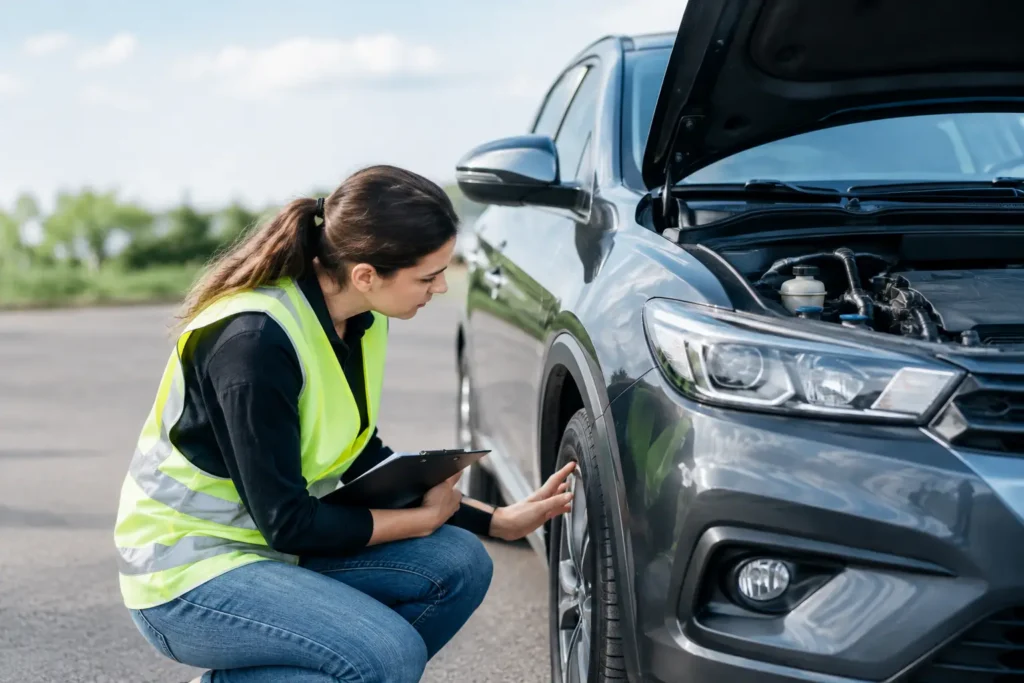
A driving test may start at the test centre, but safe driving starts before the engine does. The best pre drive safety checks take only a few minutes, yet they can prevent a breakdown, reduce avoidable risks and help you begin every journey calm, comfortable and in control.
For learner drivers, these routines also build the habits that matter after you pass. Your instructor can support you with the right order and explain what to look for, but the goal is simple: become the driver who notices a problem before it becomes a hazard.
Why pre-drive checks are worth your time
It is easy to see a car as ready to go because it started yesterday. But tyres lose pressure gradually, bulbs can fail without you noticing and a low fuel level can turn an ordinary trip into an unnecessary worry. A quick check is particularly valuable before a longer journey, early-morning drive, motorway trip or spell of poor weather.
In the North East and Yorkshire, wet roads, darker winter mornings and occasional frost make preparation even more useful. Good tyres, clear windows and working lights give you more time to see, react and make safe decisions. That is not just about passing a test. It is about arriving safely with less stress.
Best pre drive safety checks: start outside the car
Before getting in, take a slow look around the vehicle. You do not need to inspect every mechanical component, but you should spot anything obvious that could affect your safety or the safety of others.
Check tyres and wheels
Your tyres are the only part of the vehicle in contact with the road, so this is one check that should never be rushed. Look for tyres that appear soft, damaged or unusually worn. Check the sidewalls for cuts, bulges or objects such as nails, and make sure there is no obvious damage to the wheel.
Tyre pressures should be checked regularly using the vehicle manufacturer’s recommended settings, ideally when the tyres are cold. You can usually find these settings in the handbook, inside the fuel flap or on the driver’s door frame. The correct pressure may change when the car is carrying several passengers or heavy luggage.
The legal minimum tread depth for most cars is 1.6mm across the central three-quarters of the tyre and around its full circumference. Many drivers choose to replace tyres before they reach that limit, as deeper tread can provide better grip in wet conditions. If you are unsure whether a tyre is legal or safe, ask a qualified professional rather than guessing.
Look at lights, glass and number plates
Check that the headlights, rear lights, brake lights, indicators and number plate lights are clean and working. You may need somebody to help with brake lights, or use reflections in a window or garage door if it is safe to do so. Do not assume a warning on the dashboard will tell you about every failed bulb.
Clear mud, snow, condensation and dirt from all windows, mirrors, lights and number plates. Leaving a small clear patch on the windscreen is not enough. You need a full view of the road, pedestrians, cyclists and junctions around you. In cold weather, remove ice completely and allow the windscreen to demist before moving off.
Check for leaks or obstructions
Look beneath the car for fresh fluid leaks and around it for anything that could cause a problem as you move away. A child’s bike, a low wall, a loose cable or another vehicle parked closely can quickly become a hazard if you have not seen it.
If you notice a new puddle, a strong smell of fuel, smoke or a serious warning sign, do not simply carry on. It may be safer to arrange advice or recovery. The right decision depends on the issue, but a car that feels or looks wrong deserves attention.
Set up the driving position before moving off
Once inside, take time to get comfortable before starting the car. Rushing this stage often leads to learners adjusting mirrors while rolling, struggling to reach the pedals or driving with an obstructed view.
Start with the seat. You should be able to press the clutch fully to the floor, if driving a manual car, without stretching or locking your knee. In an automatic, make sure you can press the brake firmly and comfortably. Set the seat height and backrest so you can see clearly ahead, hold the steering wheel securely and reach all controls without leaning forward.
Adjust the head restraint so the centre is roughly level with the back of your head. It is designed to reduce the risk of neck injury in a collision, not to make the seat more comfortable.
Next, adjust the interior mirror and door mirrors. Your interior mirror should show as much of the rear window as possible. Door mirrors should give a clear view down each side of the vehicle, with only a small amount of the car visible as a reference point. Mirrors support your observations, but they never remove blind spots, so you must still look properly around the vehicle before moving.
Fasten your seatbelt before starting the journey and make sure passengers do the same. Loose bags, bottles and other items should be secured where possible. In a sudden stop, everyday objects can become dangerous projectiles.
Check controls, warning lights and visibility
Turn the ignition on and pay attention to the dashboard. Warning lights usually illuminate briefly as the car performs its checks, then go out once the engine starts. If a red or amber warning light stays on, check the handbook and deal with the issue before driving. Some warnings need urgent action, while others may allow a careful journey to a garage, so do not treat every light in exactly the same way.
Make sure you have enough fuel or charge for the journey, including a sensible margin for delays, diversions and finding a suitable filling or charging station. It is especially wise not to run low before driving on unfamiliar roads or during busy periods.
Test the windscreen wipers and washers if conditions are wet, dusty or likely to change. Washer fluid is often overlooked until the low sun catches a dirty windscreen and makes it difficult to see. Check that the heater and demister are working too. Clear visibility is a legal and practical requirement.
Take a moment to identify the controls you may need while driving, including lights, rear demister, wipers, horn and hazard warning lights. You should not be searching for them for the first time in heavy rain or a difficult situation.
Prepare yourself as well as the car
The vehicle may be roadworthy, but you also need to be fit to drive. Tiredness, illness, stress, alcohol, drugs and some prescription medicines can seriously affect judgement and reaction times. If you are not in a suitable condition to drive, delay the trip or find another option.
Plan your route before you set off, especially if you are new to independent driving. Put your sat nav in place, enter the destination and set any music or climate controls while parked. Never hold or use a mobile phone while driving. Even a short glance can mean travelling a considerable distance without properly seeing the road.
For learners, it helps to tell your instructor if you are feeling nervous, tired or distracted before the lesson begins. A qualified instructor can adapt the session, revisit a skill or build confidence gradually. At English School of Motoring, the focus is on developing safe driving for life, not simply getting through test day.
Build a routine you will actually keep
The most effective safety check is one you repeat. A simple order makes that easier: walk around the car, check tyres and visibility, settle into your seat, adjust mirrors, fasten your belt, check the dashboard and plan your first move. With practice, it becomes quick without becoming careless.
You do not need to carry out a full inspection before every short trip. However, a brief visual check each time, combined with regular tyre, fluid and light checks, is a sensible standard for every driver. Before long journeys, after the car has been parked for several days or when conditions are poor, be more thorough.
A confident driver is not someone who never encounters a problem. It is someone who is prepared enough to spot the problem early, make a safe choice and set off only when both they and their car are ready.