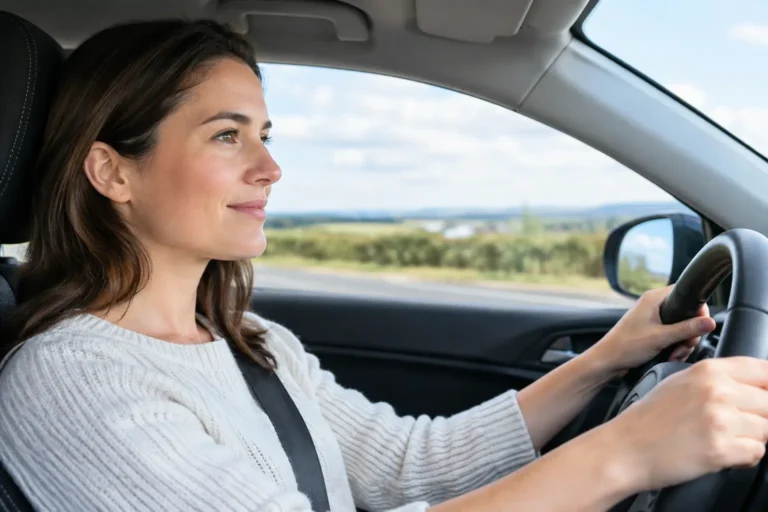
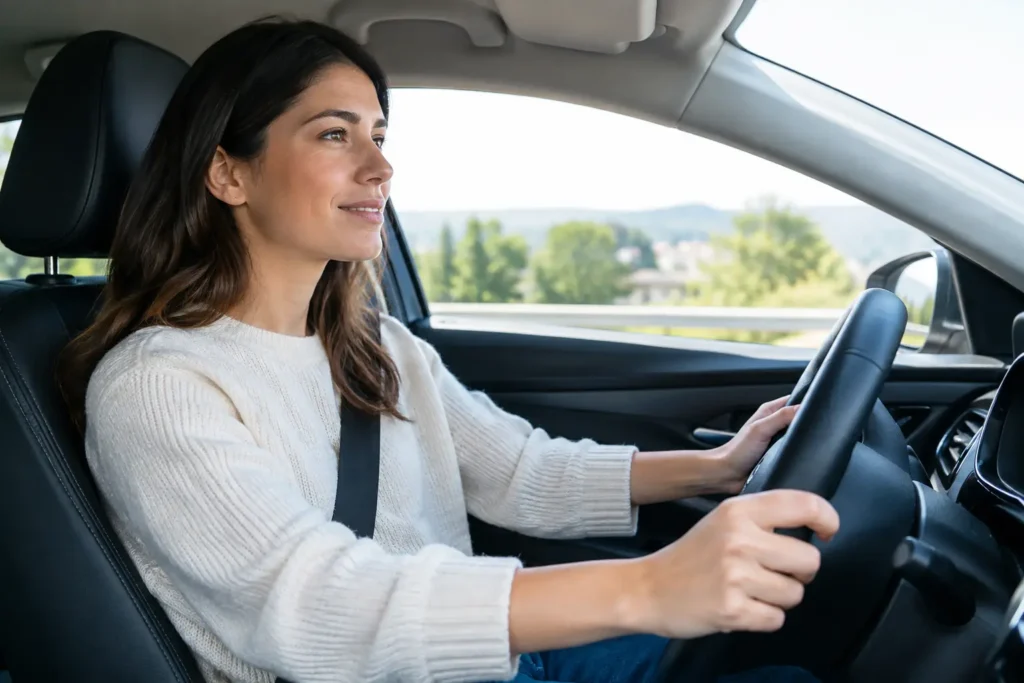
A quiet road, a familiar route and good weather can make even a careful learner relax too soon. Yet many serious driving mistakes happen on ordinary journeys, when a driver assumes they have seen the hazard, judged the gap or checked their mirrors well enough. Road safety is not a skill reserved for test day. It is the set of habits that protects you, your passengers and everyone sharing the road every time you drive.
Passing the practical test is a major achievement, but it is the start of independent driving rather than the finish line. The best drivers keep learning, stay alert and make decisions that leave room for other people’s mistakes. That approach builds genuine confidence – the kind that still works in heavy rain, rush-hour traffic or on an unfamiliar country road.
Road safety starts before the engine does
Safe driving begins before moving away. Take a moment to set your seat so you can fully operate the pedals and maintain a comfortable bend in your arms. Adjust the mirrors properly, secure loose items and make sure everyone has their seat belt on. These checks take very little time, but they prevent distractions and help you react quickly when it matters.
Your mindset also matters. If you are tired, upset, rushing or distracted by a difficult day, acknowledge it before setting off. You may still need to travel, but you can make safer choices: allow more time, choose a simpler route, turn your mobile phone off and avoid driving if fatigue is likely to affect your concentration.
For new drivers, the pressure to keep up with friends or other traffic can be surprisingly strong. There is no benefit in moving off before you are ready, pulling out because someone is waiting behind you, or driving faster than you feel able to control. A short delay is always better than a rushed decision.
Use observation to create time and space
Most road safety decisions come down to noticing developing hazards early enough to respond calmly. Look well ahead, not only at the vehicle directly in front. Scan for brake lights, pedestrians near crossings, cyclists moving around parked cars, side roads, changing traffic lights and gaps that could become hazards.
Your mirrors give you the wider picture. Check them regularly, and always before changing speed or direction. The familiar routine of mirrors, signal and manoeuvre is not simply something to recite in a driving lesson. It is a reliable way to make sure you understand what is happening around your vehicle before you act.
Space is your safety margin. Keep a sensible gap behind the vehicle ahead, increasing it in rain, fog, darkness or on poor road surfaces. If you cannot see clearly beyond the vehicle in front, or a driver behind is following too closely, reduce the pressure by staying calm and avoiding sudden braking. Where it is safe, ease off the accelerator to create more room ahead.
Speed limits are not target speeds
A speed limit is the maximum permitted in suitable conditions, not a speed you must reach. The right speed depends on visibility, weather, traffic, road layout and your experience. A narrow street with parked cars, for example, may call for a much lower speed than the sign allows because a child, pedestrian or vehicle door could appear without warning.
On faster roads, speed affects more than stopping distance. It reduces the time available to recognise what is developing ahead and makes steering or braking mistakes more severe. Stay within the limit, but also ask yourself whether you could stop safely in the distance you can see to be clear.
Manage the hazards that catch new drivers out
Some situations deserve extra care because they are common, unpredictable and easy to underestimate. Junctions are one example. Take time to assess the speed and position of approaching traffic rather than relying on a quick glance. If you are uncertain whether a gap is safe, wait. Other drivers may be impatient, but they cannot see your view of the road or make the decision for you.
Parked vehicles are another regular hazard, particularly in busy towns and residential areas. Slow down, look for people inside vehicles and leave enough room for doors to open. Watch for pedestrians stepping out between cars, including children who may be difficult to see.
Cyclists, motorcyclists and horse riders need thoughtful space and patience. They can be affected by potholes, drains, wind and uneven surfaces, so avoid passing too closely or cutting back in sharply. Before turning, check mirrors and blind spots carefully. A cyclist travelling alongside you may not be where you expect.
Country roads require a different type of judgement. Bends can hide oncoming traffic, mud or standing water can reduce grip, and high hedges can limit your view. Drive at a speed that lets you stop safely on your own side of the road. Do not assume a quiet lane is empty just because you have not met anyone for several miles.
Keep distractions out of the driving seat
Using a hand-held mobile phone while driving is illegal and dangerous, but distraction is broader than phone use alone. A hands-free call can still take your attention away from the road. So can loud music, sat-nav instructions entered while moving, passengers arguing or food and drinks in the car.
Set your navigation before you begin. If you need to change the route, pull over somewhere safe and legal first. Keep music at a level where you can hear traffic and emergency vehicles, and do not let passengers encourage risky choices. A good passenger understands that the driver needs to concentrate.
For learner drivers, practising with different routes and conditions helps make safe routines more automatic. Structured lessons give you the chance to deal with roundabouts, dual carriageways, busy town centres and challenging junctions with a qualified instructor beside you. That experience is valuable because confidence should come from competence, not simply from getting used to taking risks.
Drive for the conditions, especially in poor weather
British weather can change a straightforward journey quickly. Rain reduces tyre grip and makes road markings, puddles and oil patches more hazardous. Increase your following distance, brake gently and avoid sudden steering movements. If visibility is reduced, use the correct lights and make sure your windscreen is clear before moving off.
In fog, use dipped headlights rather than full beam, which can reflect back and reduce visibility further. In bright low sun, keep your windscreen clean, use the sun visor when appropriate and slow down if you cannot see clearly. At night, look further ahead, be prepared for darker areas between streetlights and remember that tiredness often builds without you noticing.
Tyres deserve regular attention too. Correct pressure and legal tread help your vehicle brake, steer and grip as intended. If something feels unusual – a warning light, pulling through the steering, a strange noise or reduced braking performance – do not ignore it. Deal with the problem before it becomes a bigger risk.
Build confidence after you pass
Newly qualified drivers often face a steep learning curve once they are driving alone. The first solo motorway or night-time journey can feel very different from a familiar lesson route. Build up gradually. Start with quieter trips, then add more demanding conditions as your confidence and experience grow.
Further training can be a sensible investment, particularly if you want support with motorways, country roads, night driving or driving in busy city traffic. Pass Plus training is designed to extend the skills learned for the practical test and encourage safer decision-making in real-world situations. It can be especially useful for drivers who passed quickly through an intensive course and want more experience before relying on their car every day.
At English School of Motoring, our qualified instructors focus on safe driving for life, not just the shortest route to a pass. With one-to-one tuition, progress tracking and lessons shaped around your needs, you can develop the judgement to drive with confidence long after test day.
The safest journey is rarely the fastest or most impressive one. It is the one where you arrive calmly, having given yourself time, space and attention to deal with whatever the road brings. Keep practising those habits, ask for help when you need it, and let every journey strengthen the driver you are becoming.